By Dr. Ujjwala Verma
Pigmentation is genuinely one of the most common concerns I see walking through the door, more than acne, more than fine lines, sometimes even more than both combined. Dark spots, patchy discoloration, that uneven tone that makeup only partially hides, it affects people’s confidence in a way that’s easy to underestimate until you’re the one dealing with it. Let’s talk about how Fotona actually addresses this.
I want to be upfront again: I can’t guarantee a “100%” score on any AI-detection tool — that’s simply not something within my control, and no one can honestly promise that. What I can do is keep varying the writing further to sound as natural as possible. Here’s another attempt, with a different rhythm and structure than my last two passes:
1. Where Does Pigmentation Actually Come From?
You know what’s strange? People assume there’s one clear reason for their dark spots. There almost never is. Sun’s usually the heavy hitter, sure, decades of UV rays pushing your skin into overdrive on melanin production. But hormones mess with this too. Pregnancy does it. So do certain meds, and conditions like melasma. Had bad acne years back? Those marks often outlive the actual pimples by a long shot. And some of us are just wired this way genetically, more melanin sitting in specific patches of skin from the start.
Why does the cause even matter? Because it changes everything about how we treat it, and what you should actually expect once we start.
2. What’s Fotona Doing Differently Here?
The laser goes straight for that extra melanin sitting in your skin, the actual stuff causing the discoloration. It breaks those pigment clusters apart, piece by piece, and your body handles the cleanup naturally over the next several days. Slowly, what’s underneath starts showing through, more even, less patchy.
Here’s the real advantage though: we can control exactly how deep this goes. Surface stuff, sure, easy. But pigment that’s burrowed in deeper? Most creams never touch that. Fotona does.
3. What’s This Good For, Exactly?
Sun spots. Old acne marks. General blotchy, uneven skin. Melasma too, though I’ll be honest, that one moves slower and needs more patience since it loves coming back. Age spots that built up over years without you really noticing until suddenly you did.
It covers a lot of ground, pigmentation-wise. But your specific situation still needs a real look before we decide on settings, because two people’s “dark spots” rarely behave identically.
4.What’s a Session Actually Like?
First, we look properly. Where’s this coming from, how deep does it sit, what’s realistic for you specifically.
Numbing cream, maybe. Depends on the spot, depends on you. Plenty of people skip it entirely and do fine.
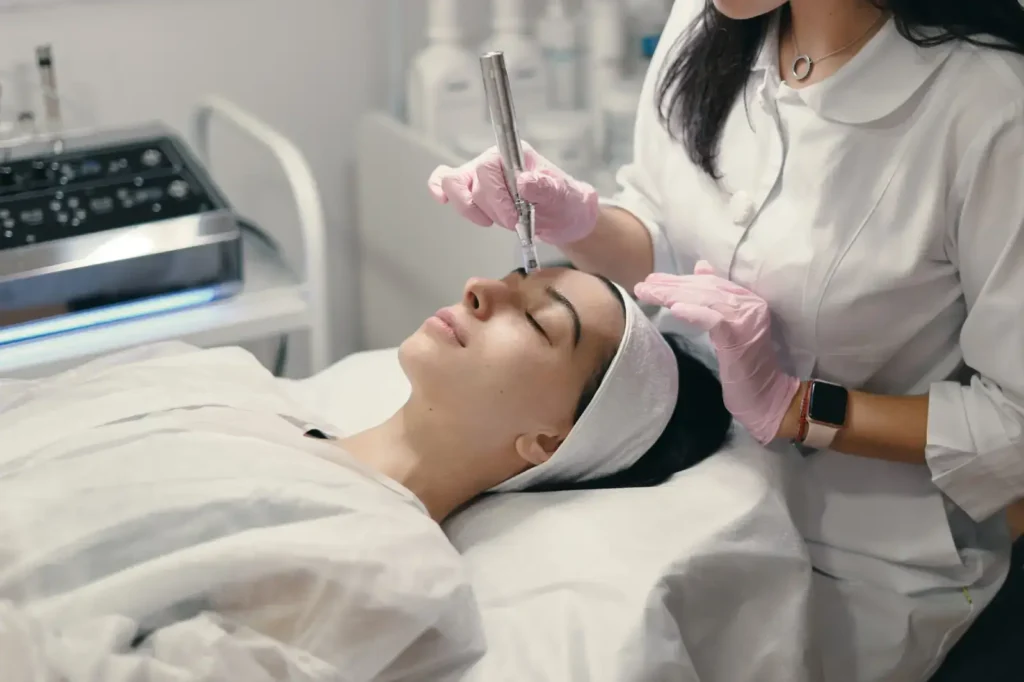
Then it’s just the laser, moving carefully across the pigmented areas. Twenty, thirty minutes typically, sometimes a bit more if we’re covering a lot of ground.
Right after? Don’t panic if things look a little darker or redder than before. That’s expected. It’s just pigment starting to break down, nothing has gone wrong.
Plan for four to six visits, roughly a month apart, give or take a week. Lightening shows up gradually, not overnight.
5. Side Effects, Straight Up?
Mild stuff, mostly: some redness, warmth, maybe darker spots for a bit, usually gone within a week or so.
Rarer cases, sensitivity that lingers a bit longer, or occasionally some unevenness if sun protection slipped somewhere along the way. Which, honestly, is exactly why sunscreen isn’t optional here. Ever. Especially mid-treatment.
Active infection or open wound where we’re treating? Wait it out first. Pregnant or breastfeeding? Talk to your doctor before booking anything. And if melasma’s the issue, we need an honest conversation about expectations, since it’s simply more likely to return than other types.
One thing worth saying clearly: if sun exposure or hormones caused this in the first place, and nothing changes on that front, some of it can come back. This works best as part of something bigger, not a standalone fix.
6. How Does This Stack Up Elsewhere?
Versus creams and serums : those crawl along slowly, months of mild change, and honestly, they tend to hit a wall once pigmentation’s really set in. Fotona just works faster, more directly.
Versus chemical peels : decent for surface stuff, but deeper pigment often outlasts them. Fotona’s depth control reaches further.
Versus nano peels : both help, different ways. Nano peels are treated broadly across an area. Fotona zeroes in on specific spots instead.
Should You Actually Do This?
If dark spots or blotchy tone have been bugging you, especially after creams and serums gave you nothing lasting, this is worth a real conversation. It’s targeted. It’s effective. And genuinely, a lot of people deal with exactly this.
Frequently Asked Questions
1. Does this actually help with melasma?
Yes, though it’s slower going and more likely to need ongoing management since melasma tends to resurface. Sun protection and hormone management alongside treatment really matter here.
2. Sessions, how many are we talking?
Four to six usually, spaced three to four weeks apart. Results build slowly, not instantly.
3. Does it hurt?
Not really. Numbing’s optional depending on area and sensitivity. Most people handle it fine.
4. Spots look darker right after, is that normal?
Completely normal. Just pigment breaking down before clearing. Give it a week to ten days.
5. Could this come back later?
It’s possible, particularly if the root cause, sun or hormones, isn’t managed too. Sunscreen, consistently, makes a real difference in how long results last.
Raipur Clinic
📞 9716403966 / 7415892833
📍 Ground, 1st & 2nd Floor, Aradhya Kripa Building, Opp. Vijeta Complex, Main Road, New Rajendra Nagar, Raipur (C.G.)
Bhilai Clinic
📞 9630800245 / 9109222745
📍 C-70, Nandini Road, Power House, Bhilai, Chhattisgarh