The first monsoon showers in Raipur are a relief after weeks of heat, but ask anyone who has lived through a Chhattisgarh monsoon and they will tell you their skin does not always agree. The same humidity that cools things down also happens to be the perfect setup for fungal infections, clogged pores and breakouts that seem to appear out of nowhere. If your skin has started acting up the moment the rains began, you are not imagining it, and there is a fairly simple explanation for what is going on.
Why Monsoon Is Tough on Your Skin
Humid air does two things at once. It pushes up sweat and oil production, and it slows down how quickly moisture evaporates off the skin. So dampness just sits there for hours instead of drying off the way it would in cooler weather. That warm, damp layer is exactly what bacteria and fungi thrive on. Add in wading through waterlogged streets, sitting in damp clothes on the commute, and days with barely any sunlight, and it makes sense why so many people in Raipur notice their skin turning oilier, itchier, or more breakout-prone the second July rolls around.
Fungal Infections: The Most Common Monsoon Complaint
This is probably the top skin complaint clinics see once the rains set in. Fungal infections tend to show up in areas that stay damp the longest, think feet, underarms, and skin folds. A few telltale signs:
- Itching that gets worse the more you sweat
- Reddish, ring-shaped patches with a slightly raised edge
- Skin peeling or flaking, especially between the toes
- A musty smell that was not there before
Honestly, it usually comes down to small things people do not think twice about. Sitting in wet shoes for half a day after getting caught in the rain. Pulling on a shirt that never fully dried. Grabbing a shared towel without a second thought. Not drying off properly after a bath or after getting soaked outside can be enough to set things off on its own. And once a fungal infection takes hold, it rarely just disappears. Left alone, it tends to spread rather than fade, which is why it is worth getting checked early instead of cycling through creams from the pharmacy hoping one sticks. A proper consultation figures out exactly what type of infection you are dealing with, so you are treating the actual cause and not just quieting the itch for a few days before it comes back.
Monsoon Breakouts: Why Your Skin Suddenly Rebels
If your skin has been calm for months and suddenly starts throwing up pimples the day the monsoon hits, excess oil and clogged pores are usually behind it. Sweat mixes with dust, pollution and whatever oil is already on your face, and because humidity slows down evaporation, that mixture stays put in your pores longer than usual. That is what leads to the congestion and breakouts, usually across the forehead, nose and chin.
A lot of people react by scrubbing more or reaching for something harsher, and that tends to backfire. Strip the skin too much and it just produces even more oil to compensate, and you end up stuck in a loop that is hard to break without some guidance.
Simple Prevention Habits That Actually Help
- Dry off properly. After the rain or a heavy sweat, actually towel-dry your skin, especially between the toes, underarms and skin folds, before changing into fresh clothes.
- Go for breathable fabrics. Cotton lets your skin breathe far better than synthetic blends, so damp fabric does not stay trapped against you.
- Do not stay in wet shoes. If you commute in the rain often, keep a spare pair at work or college.
- Do not skip sunscreen. Clouds do not block UV rays the way people assume, and skipping sunscreen through monsoon is a common reason people end up with pigmentation once the season passes.
- Keep your moisturiser light. Skipping it entirely because the air feels humid usually backfires and pushes your skin to produce even more oil.
- Use a mild, pH-balanced cleanser on sweat-prone areas instead of a harsh antibacterial soap that disturbs your skin barrier.
When It Is Time to See a Dermatologist
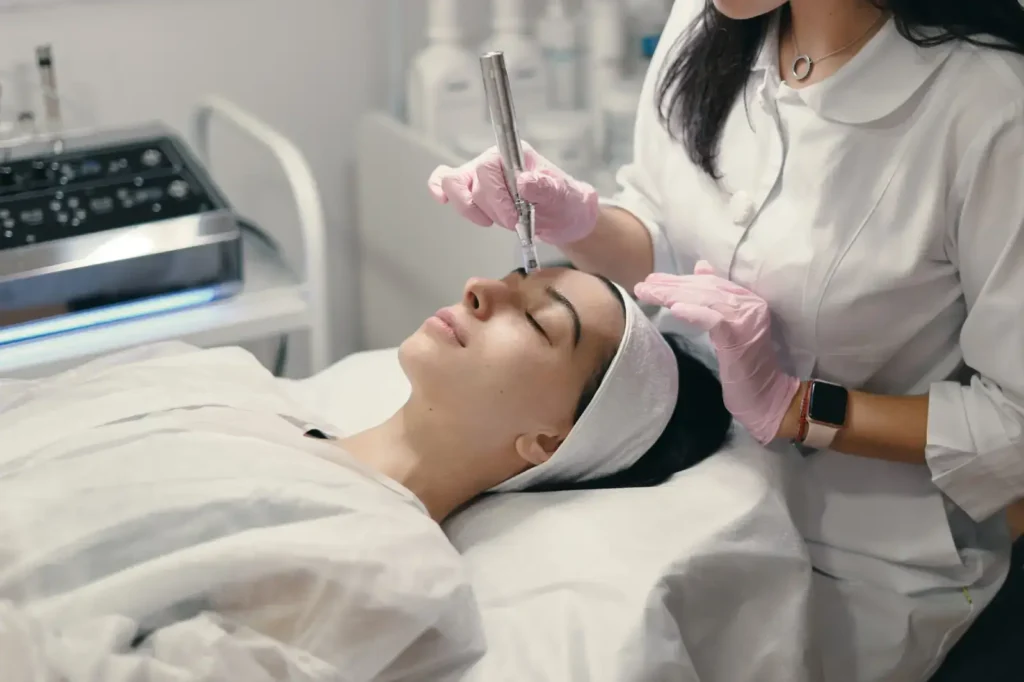
Basic home care handles the occasional dull day or one-off breakout just fine. But there are signs worth paying attention to: an infection that keeps coming back in the same spot, itching bad enough to disrupt sleep, patches that keep spreading despite over-the-counter creams, or breakouts that leave marks behind. At Dr. Ujjwala’s Skin Clinic in Raipur, the team looks closely at what is actually going on with your skin before suggesting anything, so you are not left guessing your way through the monsoon. And if the weather has left your skin dull, congested or patchy, a Medi Facial done properly at the clinic can help clear out that buildup and bring back some glow, in a way a regular salon facial usually cannot.
Monsoon does not have to mean months of itching, breakouts and skin that never looks quite right. A few consistent habits, and getting things checked when they do not clear up on their own, can genuinely make the season easier on your skin. If yours has been giving you trouble lately, it might be worth getting it looked at instead of waiting it out.
Frequently Asked Questions
1. Why do fungal infections come back again and again during monsoon?
Usually because whatever caused it in the first place, trapped sweat or lingering moisture, never really went away, or the cream got stopped the moment the itching settled. Getting it properly checked instead of treating it as a one-off tends to actually break the cycle.
2. Is it necessary to change my skincare products completely during monsoon?
Not entirely, no need to toss everything out. But if your usual moisturiser starts feeling too heavy or greasy once the humidity picks up, that is a fair sign to switch to something lighter for a couple of months.
3. Can I skip sunscreen on cloudy or rainy days?
It is tempting, but better not to. UV rays get through clouds more than people realise, and it is one of the sneakier reasons people notice patchy or uneven skin once monsoon is over.
4. Are monsoon breakouts the same as regular acne?
They can look almost identical, but not really the same thing. Monsoon breakouts are usually more about trapped sweat and oil sitting on the skin too long, while regular acne often ties back to hormones or diet. Since the cause is different, what actually clears it up can be different too.
5. When should I stop trying home remedies and consult a dermatologist?
If it has been about a week of doing everything right at home and the patch or breakout is not budging, or it seems to be spreading or leaving marks, that is usually the point to stop guessing and just get it looked at.
At Dr. Ujjwala’s Skin Clinic, monsoon skin concerns are approached the same way as any skin condition, with a proper diagnosis first and a treatment plan built around what your skin actually needs, not a generic solution.
Book a Consultation at Dr. Ujjwala’s Skin Clinic
Raipur Clinic
📞 9716403966 / 7415892833
📍 Ground, 1st & 2nd Floor, Aradhya Kripa Building, Opp. Vijeta Complex, Main Road, New Rajendra Nagar, Raipur (C.G.)
Bhilai Clinic
📞 9630800245 / 9109222745
📍 C-70, Nandini Road, Power House, Bhilai, Chhattisgarh